
Can You Stay in Your Home During a Whole-House Remodel?
When Staying Home May Be Realistic
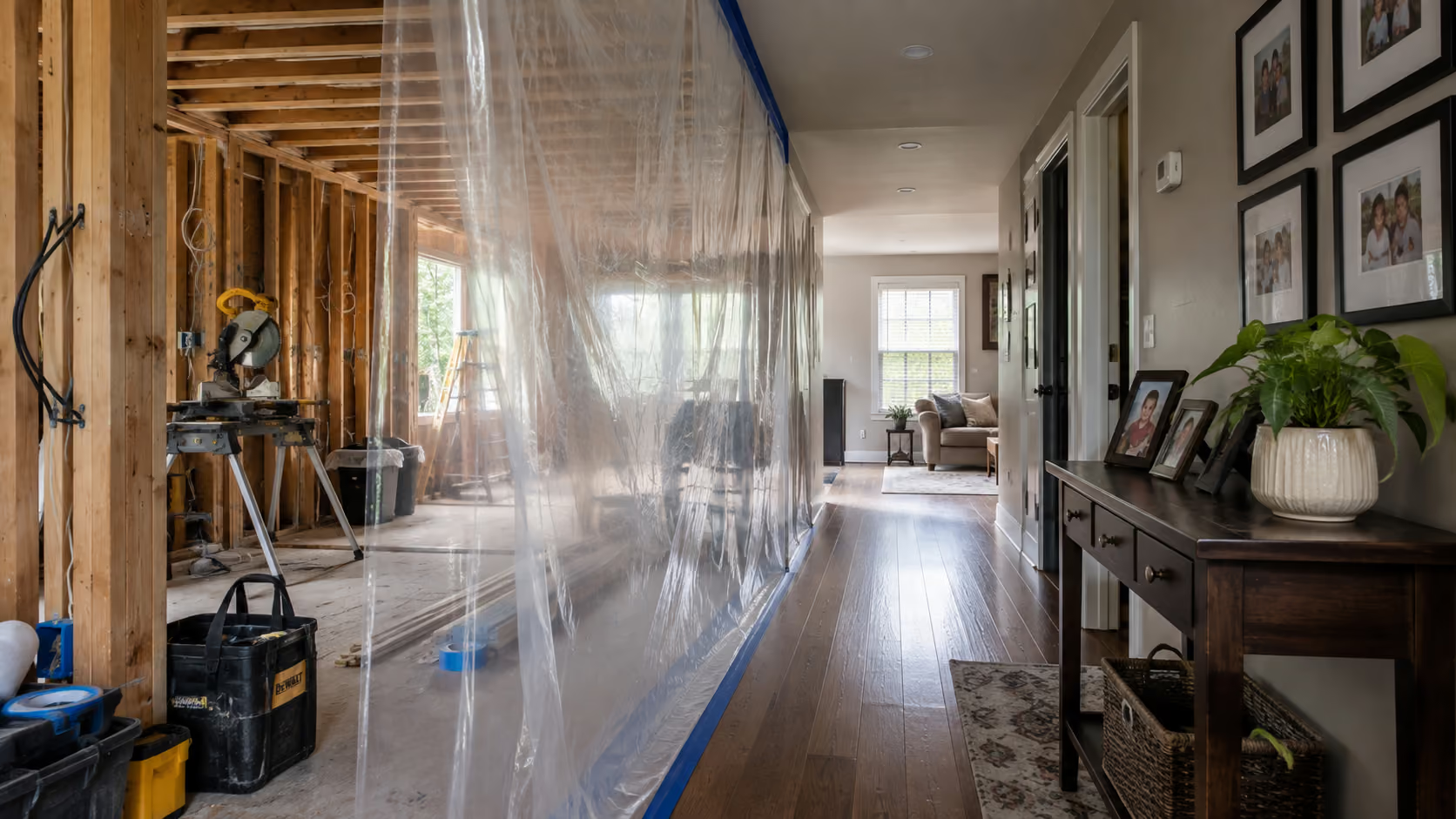
Remaining in the house is often more manageable when the remodel is limited to one area or completed in clearly separated phases. A bathroom renovation may be workable if another full bathroom remains available. A kitchen remodel may be manageable if you can create a temporary food-preparation area and the water and power remain available elsewhere.
Staying may also work when the construction area has a separate entrance, dust barriers can isolate it effectively, and the crew can restore safe access at the end of each workday. The key is having essential spaces—not merely having a bed somewhere in the building.
When Temporary Relocation Is the Better Choice
A full gut remodel generally affects too much of the home for normal daily life. I See Construct recommends considering relocation when work involves widespread demolition, extended utility interruptions, or rebuilding several rooms at once.
Moving out is usually the practical option when:
- The only kitchen or bathroom will be unusable for an extended period.
- Electrical, plumbing, HVAC, or gas service will have repeated shutdowns.
- Walls and ceilings are open throughout much of the home.
- Demolition creates significant dust, noise, and debris.
- The project removes safe pathways between entrances and living areas.
- The household includes young children, older adults, pets, or anyone sensitive to dust and noise.
Relocation can also help construction move more efficiently because the crew does not need to repeatedly reopen rooms, restore temporary access, or schedule disruptive tasks around the household’s daily routine.
What Does “Phased Remodeling” Mean?
Phased remodeling divides the project into sections so one area is completed before the next begins. For example, the crew might finish bedrooms and a bathroom before moving into the kitchen and main living areas.
This approach can make staying home possible, but it is not always faster. Trades may need to return several times, temporary protection must be moved, and work on interconnected systems may be less efficient when separated. Ask whether phasing changes the timeline or creates repeated shutdowns before choosing it solely to avoid relocating.
How Long Will the Disruption Last?
I See Construct lists a broad timeline of approximately 3–12 months for full-home remodeling, depending on project size and structural changes. Its service guidance indicates that a full gut remodel of a typical single-family home may require roughly 4–8 months of construction, with additional time for plan review when permits are required.
Not every day will be equally disruptive. Demolition, framing, and mechanical rough-ins tend to affect the home differently than painting or finish installation. A project-specific schedule should identify major phases, expected shutdowns, inspections, and when rooms will return to service.
Questions to Ask Before Deciding to Stay
Do not base the decision only on whether the contractor says staying is technically possible. Ask practical questions:
- Will at least one complete bathroom remain functional?
- Where can food be stored, prepared, and cleaned up?
- How often will water, power, gas, or HVAC be unavailable?
- Will there be a protected entrance and safe route through the home?
- How will dust and debris be contained?
- Which rooms must be cleared, and where will furniture be stored?
- Will workers need access early in the morning or while no one is home?
- Can the schedule change if hidden conditions are discovered?
The answers should describe daily living conditions, not just the construction plan.
How to Make an Occupied Remodel More Manageable
If staying home makes sense, define the construction zone and household zone before work begins. Remove valuables and personal belongings from work areas, protect anything that remains, and keep children and pets away from tools, temporary barriers, and debris.
Set up the temporary kitchen, sleeping arrangements, and storage areas before demolition day. Plan for meals that do not require full appliances, and identify somewhere outside the home for work, study, or quiet time during especially loud phases.
Agree on communication routines with the contractor. Knowing about a water shutdown or blocked entry a day in advance is very different from discovering it while getting ready for work.
What If You Decide to Move Out?
Temporary relocation does not mean you need to disappear from the project. Schedule regular updates, attend key walkthroughs, and remain available for material or layout decisions. Ask when it is safe to visit and whether protective equipment is needed during active construction.
Include moving, storage, mail, pets, and access to important documents in your preparation. If the project spans several months, choose an arrangement that is sustainable rather than relying on a short-term solution that quickly becomes stressful.
Build the Living Plan into the Construction Plan
The best time to decide whether you can stay home is before the contract and schedule are finalized. Your living arrangement can influence project phasing, access, protection measures, and communication expectations.
I See Construct provides full home remodeling services throughout Vancouver, Battle Ground, and Clark County. Request a free on-site estimate to review the scope, discuss whether the home can remain occupied, and receive a realistic project schedule.