
How Much Does a Garage Conversion Cost in Washington State?
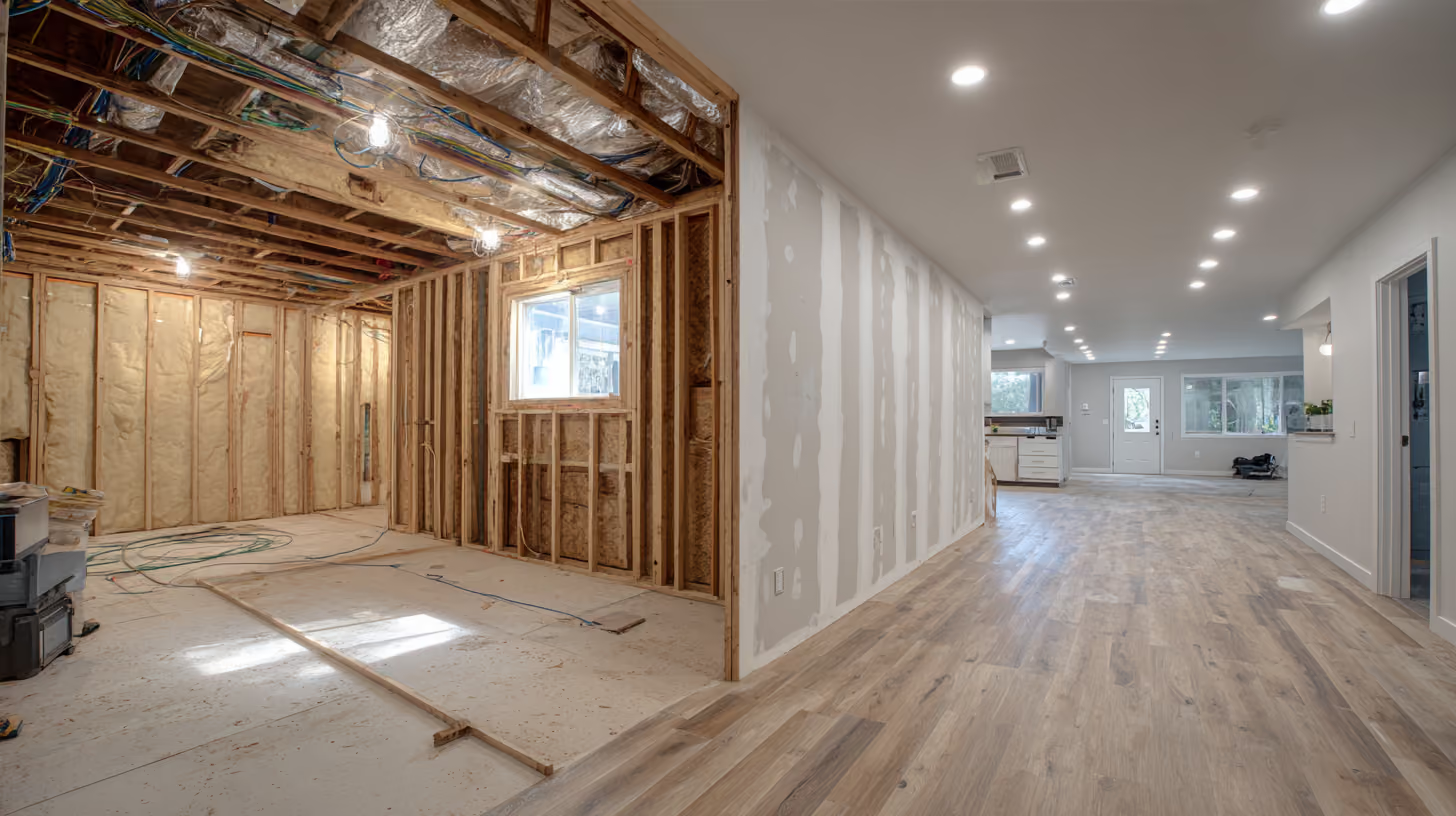
The honest answer: most garage conversions in Washington State run between $50,000 and $130,000. That’s a wide range, and the gap is real — what you’re converting, how it’s built, and what you’re converting it into all move the number significantly.
This guide breaks down what drives cost, what to expect by project type, and what to watch for when you’re getting quotes.
What Makes Garage Conversions Expensive in Washington
Washington State has some of the strictest residential building codes in the country, particularly around energy efficiency. That’s good for livability long-term — but it adds cost upfront. Here’s where the money goes:
Insulation and Energy Code Compliance
Washington follows the International Energy Conservation Code with state amendments. Garage walls need continuous insulation plus cavity insulation to hit the required R-values. The ceiling/roof assembly is even more demanding. On an uninsulated garage, this alone can run $8,000–$15,000 depending on size.
Plumbing
If the garage doesn’t have plumbing — and most don’t — running water supply and sewer lines is a major cost driver. The farther the garage is from the main sewer connection, the more it costs. For a detached garage conversion with a full bathroom and kitchen, budget $15,000–$30,000 for plumbing alone.
Electrical Upgrades
Garage electrical is built for a couple of circuits and shop lighting. Residential code requires proper circuits for kitchen appliances, bathroom fans, GFCI protection, and more. Plan for a full rewire plus potentially a subpanel, especially in a detached structure.
HVAC
Mini-split systems are the standard solution for converted garages in the Pacific Northwest. A single-zone mini-split runs $3,000–$6,000 installed. If you need multi-zone coverage or the building requires mechanical ventilation (HRV/ERV), costs go up from there.
Permits
Clark County and other jurisdictions in Washington require building, plumbing, and electrical permits for garage conversions. Permit fees themselves are manageable — typically $1,500–$4,000 total depending on project valuation — but the cost of doing the work to code is what the permits represent.
Cost by Conversion Type
Garage Converted to Living Space (Non-ADU): $40,000–$75,000
Converting an attached garage into a bonus room, bedroom, or office — where you’re tying it into the existing home’s systems — is the lower end of the range. You’re adding insulation, flooring, drywall, and usually HVAC, but plumbing may be minimal or absent.
Garage Converted to ADU (Attached): $65,000–$110,000
An attached garage ADU needs fire separation from the main home, its own entrance, and full kitchen and bathroom plumbing. In Clark County, attached ADUs also need to meet setback requirements from the fire separation wall perspective. More code requirements — more cost.
Detached Garage Converted to ADU: $70,000–$130,000
Detached conversions are often the most expensive because all utilities have to be run from scratch. Water, sewer, and electrical all need separate connections to the main property infrastructure. That said, detached ADUs are cleaner to permit in Clark County and typically command higher rental rates.
What Moves the Number Up
- Distance from main utility connections. Every extra foot of trench for water, sewer, or electrical adds cost.
- Structural upgrades. If the garage was built light — no frost-depth footings, undersized framing — you may be reinforcing before you’re building.
- Ceiling height. Washington requires minimum ceiling heights for habitable space. If your garage has a 7‘10” ceiling, that’s borderline. Under 7 feet means raising the roof or lowering the floor — both add significant cost.
- Finish level. A basic conversion with builder-grade finishes is one price. Hardwood floors, tile showers, and custom cabinetry are another.
What Moves the Number Down
- Existing plumbing stub-outs. Some garages already have a utility sink or rough plumbing. Starting from something is cheaper than starting from nothing.
- Attached structures. Sharing a wall with the main home means you can potentially tap existing systems more easily.
- Simple, open floor plan. Fewer interior walls and a straightforward layout reduces labor and material.
Red Flags in Quotes
If you’re getting estimates, watch for:
- No permit mention. Any contractor who doesn’t include permit handling or tells you permits aren’t needed is a risk you don’t want to take. An unpermitted conversion can’t be legally rented and creates serious problems at resale.
- Unusually low bids. A quote that’s 40% below everyone else usually means something is getting skipped — insulation R-values, proper electrical, or subcontractor labor.
- Vague scope. A legitimate proposal specifies materials, systems, and what’s included. “Convert garage to ADU, all-in price” with no details isn’t a real quote.
What I See Construct Charges
We’re based in Battle Ground and do a lot of garage conversions across Clark County. Our projects typically fall in the $65,000–$120,000 range for full ADU conversions, depending on the factors above. We give you a detailed scope and number after we see the site — not before.
Call (360) 989-0118 or visit iseeconstruct.com/garage-builds-shops to schedule a free consultation.